The Quizmaster Is a Landing Page: Inside Britain's Branded Trivia Boom
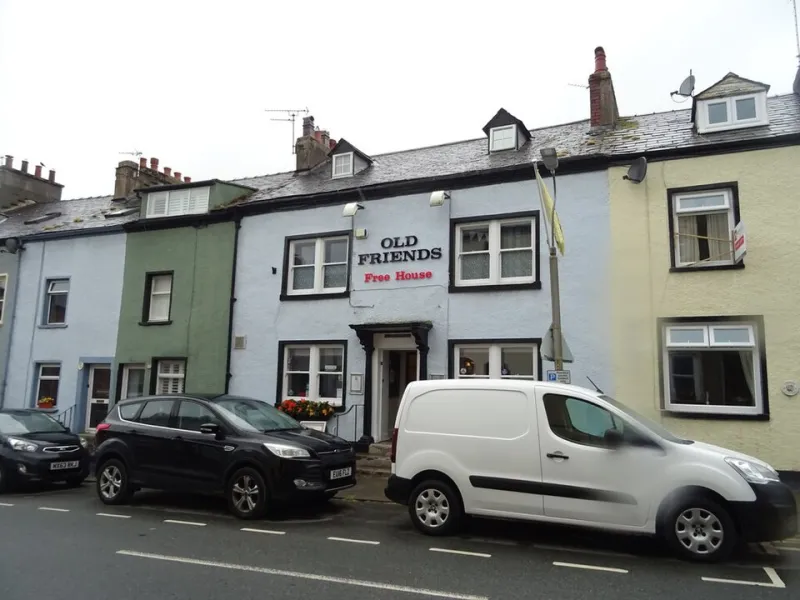
Photo: JThomas , CC BY-SA 2.0, via Wikimedia Commons
Somewhere in Britain right now, a bloke called Dave is arguing with his mates about whether the answer to question seven is Bake Off or Bake Off: The Professionals. They are not in a pub. They are on a Microsoft Teams call, and the quiz is hosted by a broadband provider. The prize is a £50 voucher and, more importantly, Dave's email address.
Welcome to 2026, where the pub quiz — that most sacred of British institutions, alongside the Sunday roast and complaining about the weather — has been quietly repackaged as a marketing channel.
Why Trivia Beats Display
Let's be honest: display advertising is having a rough decade. Banners are ignored, pre-roll is skipped, and the average attention span for a sponsored post is measured in milliseconds. The branded quiz, by contrast, is opt-in. You have to choose to spend eight minutes answering questions about British inventions, cheese varieties or the correct way to hang a toilet roll. That voluntary attention is worth a lot.
It also does something display never could: it gets people to hand over first-party data without feeling like they've been mugged. An email here, a postcode there, a quick "which of these do you own?" — all wrapped up in a leaderboard and a tie-breaker. The quiz is the warm-up act; the CRM is the headliner. As one agency strategist put it to me recently, "the tie-breaker is consent."
The format is cheap, too. A Typeform, a Google Sheet, a prize that costs less than a half-decent influencer post, and a social team with a sense of humour. Suddenly a FTSE 100 insurer — a category not known for its laughs — is "the quiz people" on LinkedIn. A broadband provider that usually only appears when your Wi-Fi drops is now hosting a weekly general knowledge night. Cultural credibility is being borrowed, and the interest rate is very low.
The New Quizmasters
The pattern is familiar. An insurer runs a "Greatest British Inventions" quiz where the only mention of insurance is a footer link. A supermarket does a food-and-drink trivia night that somehow ends with a Clubcard prompt. A broadband provider hosts a "how well do you know the internet?" quiz that is 70% trivia, 30% speed-test upsell. The best ones never mention the product. The worst ones ask you to identify a brand mascot in round three.
What's interesting is how little the brands have had to change the format. The pub quiz is already perfectly engineered for data capture: teams, rounds, a clear beginning and end, a reason to share the result. All the brand has to do is add a form field and a privacy notice. The quiz is a Trojan horse with a picture round.
The Risk: Sanitising the Sacred
Here's the thing about the pub quiz: it is beloved precisely because it is amateurish. The landlord's mate does the questions. The mic squeals. Someone cheats and everyone knows. The prize is a meat raffle or a round of drinks. It is chaotic, local and slightly rubbish, and that is the point.
Branded quizzes risk sanding all of that off. A corporate quiz is a pub quiz with the pub removed and the quiz replaced by a lead-gen form. The moment a question asks you to "select your preferred renewal date", it is no longer a quiz. It is a survey with a leaderboard.
There is also the fatigue problem. If every insurer, broadband provider and supermarket launches a trivia night, the format becomes just another ad unit. The pub quiz loses its cultural weight and becomes the new "fun" mortgage calculator. That's when the borrowed credibility starts to run out.
The Data Question
The regulatory side is not a footnote. UK GDPR still applies. A quiz answer is not consent. If the quiz is a prize draw, the rules are different than if it's a marketing list, and the ICO has been clear that burying an opt-in in the terms is not good enough. The best-branded quizzes separate the fun from the sign-up: play the quiz, see the leaderboard, then decide if you want to hear from the brand. The worst ones gate the results behind an email address and a phone number.
That's the difference between a quiz and a quiz-washing exercise. "Which crisp are you?" is a quiz. "What is your household income bracket?" is not.
What Good Looks Like
There are brands doing this well. They write proper questions. They use a real host. They keep it under ten minutes. They localise the rounds — a Yorkshire quiz for Yorkshire, a Scottish round that doesn't just list Irn-Bru. Some are even partnering with actual pubs, which feels like the obvious move: use the quiz to bring people into a physical space, not just a funnel.
The pub quiz has survived since the 1970s. It can survive brands. But only if brands remember that it is a social ritual, not a sales funnel. The quizmaster is not a landing page. The prize is not a data point. And the tie-breaker is not consent — it's a laugh.
Get that right, and you've got a campaign people actually want to play. Get it wrong, and you'll be the answer to a question nobody asked.