The Anti-Haul Economy: Britain's Most Trusted Ad Slot Is a Refusal

Photo: Xnatedawgx, CC BY-SA 3.0, via Wikimedia Commons
In 2026, the most valuable thing a British creator can do with a product is put it down. Not smash it, not fake a tearful apology, not film a dramatic binning. Just look at the £80 serum, the smart kettle, the air fryer that needs its own app, and say: skip it. The deinfluencing boom has moved from cost-of-living catharsis to a proper slice of the UK marketing mix. And the brands are circling.
The pitch is simple. Hauls sell abundance. Anti-hauls sell restraint. In a feed where every other post is shoppable, a creator who tells you to keep your money looks like they are giving something up. That refusal has become the format's currency. By 2026, agencies are packaging it, retailers are monitoring it, and media planners are asking why a negative review is driving better consideration than a polished product demo.
From haul culture to the anti-haul
Deinfluencing did not arrive in 2026. It built through the cost-of-living squeeze earlier in the decade, when British audiences got tired of being told that a £45 candle was an investment in their personal brand. But 2026 is the year it stopped being a vibe and became a channel. Creators are making anti-haul series on TikTok, long-form YouTube takedowns, Instagram Reels and newsletters. The best ones are not angry. They are specific. They name the flaw, the person the product is wrong for, and the cheaper thing that does the job.
That specificity is what separates deinfluencing from old-school review negativity. A bad review says this product is bad. A good deinfluencing video says this product is bad for you, and here is why the algorithm wanted you to think otherwise. It is consumer advice dressed as entertainment, with a healthy side of scepticism about the entire concept of the upgrade.
The trust ledger
Deinfluencing runs on a simple assumption: the creator is not on the brand payroll. That assumption is the asset. The moment it looks funded without clear disclosure, the format collapses. UK audiences are not naive about influencer marketing, but they are quick to spot a refusal that has been stage-managed.
The rules do not disappear because the verdict is negative. The CMA's influencer guidance and the ASA's CAP Code still require ads to be obviously identifiable. The Digital Markets, Competition and Consumers Act 2024 gave the CMA stronger tools against unfair commercial practices, and those powers have been bedding in since 2025. If money, commission, free product or editorial control changes hands, it needs to be labelled clearly and up front. 'Don't buy this' is not a disclosure loophole. A brand-funded anti-haul is still brand-funded.
That is the tension at the heart of the boom. Deinfluencing works because it feels independent. Brands want in because it works. The only way both things survive is if the funding is boring, visible and clearly separated from the verdict.
How brands quietly get in
You will rarely see a brand paying a creator to say its own product is rubbish. That would be a strange use of a marketing budget and an even stranger use of a legal team. The quieter routes are more interesting.
First, affiliate alternatives. A creator tells viewers to skip an £80 serum and links a £14 alternative. The refusal is genuine, but the recommendation is still a transaction. Affiliate networks and retailers fund the ecosystem around the verdict. That is not automatically shady, but it changes the economics. The anti-haul can become a haul with better manners.
Second, category sponsorship. A repair service, resale platform or comparison site sponsors a no-buy series. The brand is not selling a product; it is selling the infrastructure of restraint. That can work because it does not ask the creator to praise a specific item. It asks them to make a useful point about ownership, repairs or waste.
Third, retailer campaigns that borrow the language of buying less and choosing well. These are trickier. If a retailer funds a deinfluencing strand while its own shelves are full of the things being skipped, audiences will notice. The content has to be honest about the contradiction rather than pretending it does not exist.
Fourth, return-rate maths. This is the counterintuitive bit. Brands do not love returns. They cost money, clog warehouses and annoy customers. A deinfluencing video that stops someone buying the wrong smart kettle can be good for margin. It is not anti-commerce; it is anti-bad-fit commerce. Some brands are quietly funding content that helps people avoid purchases they would have sent back anyway.
The measurement problem
Deinfluencing does not fit neatly into last-click attribution. A video telling you not to buy something does not usually end in a neat conversion. So the industry has started measuring differently: saves, shares, branded search for alternatives, return-rate delta, audience surveys and consideration lift. In 2026, that is enough to get budgets signed off.
But measurement can corrupt the format. If creators are judged on affiliate clicks, the anti-haul drifts back towards a haul. If brands demand approval over which products get criticised, the trust ledger empties out. The good campaigns set the firewall early: no product approval, clear disclosure, and a brief that funds the series rather than the verdict.
The refusal has to stay real
The best deinfluencers in Britain are not anti-consumption saints. They still buy things. They still recommend things. The difference is that they are willing to say when the upgrade is pointless, when the dupe is fine, and when the smart gadget is a subscription in a trench coat. Audiences can smell a scripted refusal from the first frame.
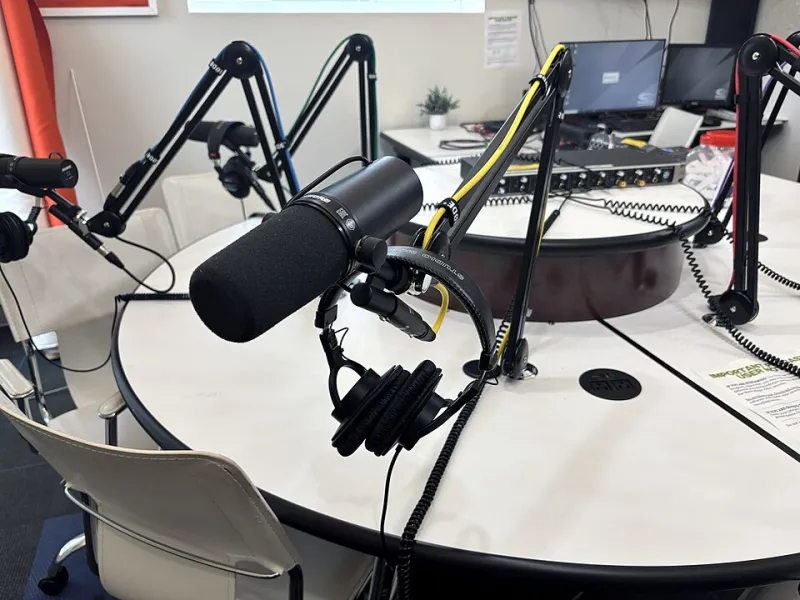
That is why the brands getting this right are the ones staying one step back. They fund the plumbing — the repair service, the comparison tool, the resale option, the series that helps people shop better — and let the creator keep the microphone. The ones getting it wrong are trying to buy a negative review and call it authenticity.
Deinfluencing is not anti-advertising. It is advertising with the brakes on. In 2026 Britain, the most trusted ad slot is a refusal — as long as everyone can see who paid for the microphone.