Last Orders for the Innocent Pint
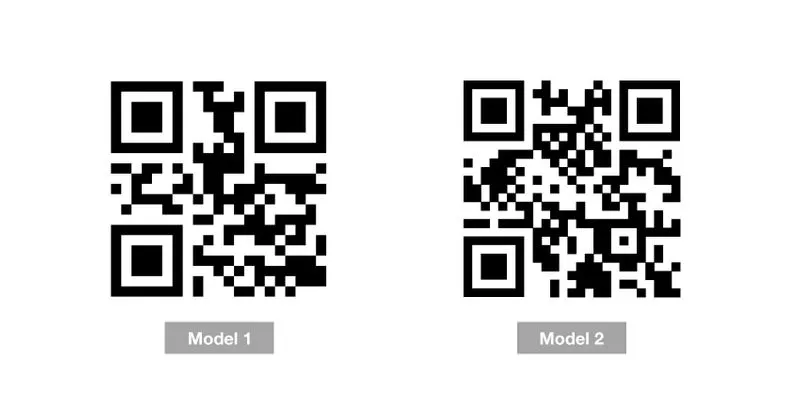
Photo: QR code printed on a pint glass in a British pub, via media.qrtiger.com
There is a particular moment, somewhere between the second round and the third, when you notice the QR code on the side of your glass. It's been there the whole time, printed in a colour just close enough to the brand livery to seem deliberate. You scan it, because your phone is already out and the queue at the bar isn't moving. And that, right there, is the entire business model.
The pub as inventory
Forget the beermat. The beermat was a charming, low-stakes rectangle with a betting-odds style DPS on it. What's replaced it is a proper media plan: QR codes etched or printed onto pint glasses, table tents with a promise of a free half, stickers on the back of toilet doors, and wristbands at club nights that double as entry passes and ad slots. Media agencies have started referring to it, without irony, as "venue-based inventory" and bundling it into the same decks as out-of-home and radio.
The pitch to brands is simple. A Friday night crowd is captive, sober-ish and reloading its glass every twenty minutes. That's a lot of impressions per head. The pitch to venues is simpler still: a few hundred quid a month, sometimes less, sometimes just free stock, for allowing a brand to talk to your regulars on your premises.
The measurement problem
Here's where it gets interesting, and by interesting I mean murky. The dashboards are immaculate. Unique scans per venue, per week, per hour. Dwell time between scan and next scan. Repeat-scan rates. It all looks like precision. It isn't.
A scan is not a purchase. It's not even attention, really — it's the path of least resistance for a bored thumb. The honest operators will tell you the numbers are directional at best, and that the real data sits behind the scan, in whatever the punter is asked to hand over. Email address. Date of birth. Consent to marketing. That's the bit that converts a novelty into a spreadsheet.
And that's the bit that should worry you. Consent collected at 11:40pm, on a phone, by someone holding a pint, is consent in the loosest possible sense of the word. The Information Commissioner's Office has been reasonably clear that consent has to be freely given, specific and informed. It's fair to ask how informed anyone is when the alternative is putting your phone away and talking to your mate.
Who's actually in charge here
The awkward contract at the heart of all this is between the venue and the brand. Landlords sign up for the revenue, and who can blame them — margins are thin, energy bills are not, and a small monthly cheque for letting a drinks company put a sticker on a door is not nothing. But there's a version of this that works, and a version that quietly erodes the thing that makes a pub a pub.
The version that works treats the QR code as a service. A scan that gets you a free half when the band is on. A table tent that enters you into the quiz. A wristband that gets you a cheaper round before 10pm. The punter gets something, the brand gets a scan, the landlord gets a cut, and everybody goes home mildly pleased.
The version that doesn't work treats the pub as a funnel. A QR code that promises a prize and delivers an age gate, three consent checkboxes and a link to a Spotify playlist nobody asked for. A table tent that's really a data-collection exercise with a picture of a pint on it. Punters are not stupid. They clock it. They just don't have a complaints department for a glass.
What the good ones do
The campaigns that have landed in the last year or so share a few traits. They're tied to something that already exists in the room — the quiz, the match, the DJ. They reward the scan immediately rather than promising a big reveal later. They ask for nothing they don't need. And they're honest about what they are: a brand saying hello while you're out, not a brand following you home.
The ones that feel like a trap tend to share the opposite. Vague prizes. Long forms. The unmistakable sense that the pint in your hand has been quietly turned into a lead-gen asset.
None of this is going away. The beer mat didn't disappear because the pub got worse; it evolved. But there's a line between a pub that's part of a media network and a pub that's just a billboard with beer in it. The landlords, the brands and the regulator all claim to know where it is. The punter, meanwhile, is standing at the bar, holding a glass, deciding whether to scan.