The Sunday Roast Economy: Britain's Brands Are Buying Trust From the Over-60s
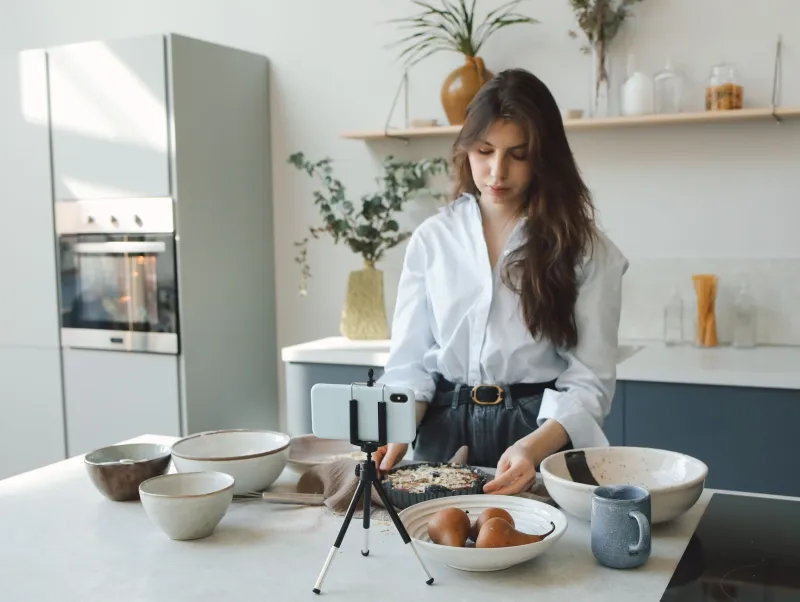
Pauline is 67. She films herself making a lentil bake in a Stockport kitchen, phone propped against a kettle, radio murmuring in the background. The video has 312 views. A media agency has sent two planners to meet her.
This is not a joke. In 2026, some of the most interesting media buys in Britain are not twenty-something creators with ring lights and a management team. They are grandparents with allotments, slow cookers and a WhatsApp group full of relatives who actually do what they say.
The numbers don't shout. That's the point.
For years, brand strategy has been a numbers game: reach, frequency, engagement rate, the holy trinity of digital advertising. But reach has become cheap. Anyone can buy a million impressions. What is expensive, and getting more so, is being believed.
Enter the over-60s creator. They are not new, exactly. Britain has always had its silver-haired experts — the gardening columnists, the radio agony aunts, the woman in the village hall who knows how to fix a hem. What is new is that brands have started treating them as media channels rather than quaint curiosities.
Agency planners have a few names for it: trust-led seeding, credible ageing, slow influence. The language is clumsy, but the instinct is sound. When a 64-year-old from Leeds tells her followers that a particular brand of compost actually works, it lands differently from a 24-year-old telling you it is 'a game-changer'. One sounds like a recommendation. The other sounds like a script.
The group chat is the new billboard
Here is the distribution channel nobody put in the media plan: the family group chat. Pauline's lentil bake does not go viral. It gets forwarded by her daughter to a WhatsApp group of six mums in Macclesfield. One of them screenshots it and sends it to her own mother. By the end of the week, a woman in Dorset is making lentil bake and has told her book club about it.
That is not an algorithm. It is kinship. And for brands, it is far harder to buy and far harder to fake.
Older creators often publish newsletters, too — actual emails, sometimes printed out and handed to neighbours. They run Facebook groups for local allotment societies. They answer comments with paragraphs, not emojis. Their content is slow, practical and specific: how to make a Sunday roast feed four for under a tenner, how to overwinter potatoes, how to spot a scam text. It is the opposite of the fast-turnaround, trend-chasing digital culture that has left so many British viewers exhausted.
They don't do the influencer playbook
Brands used to signing creators to strict briefs are finding the over-60s a different proposition. They do not want to dance. They will not say 'obsessed'. They are deeply suspicious of the phrase 'link in bio'. Many of them will refuse to film an unboxing because, frankly, they think it looks daft.
One agency account director told me the toughest negotiation of her year was persuading a 69-year-old gardening creator to mention a seed brand more than once in a video. 'She said she'd mention it if she liked it, and not if she didn't,' the director said. 'We built the whole campaign around that.'
The best partnerships feel less like advertising and more like a neighbour recommending a plumber. There is a product, a person, and a reason to believe. The brand is present, but it is not shouting. In a market saturated with shouting, that is a competitive advantage.
Why Britain is buying slow
Some of this is economics. The cost-of-living squeeze has made practical advice genuinely valuable. Batch cooking, mending, gardening, saving — these are not niche hobbies any more. They are survival skills, and the people who have been doing them for forty years are the ones with authority.
Some of it is fatigue. British audiences have spent a decade being told to 'smash that follow' by people who seem to have been born yesterday. The polished, fast-turnaround digital culture has started to feel like a treadmill. Older creators offer something else: texture, pauses, the sense that not everything needs to be a launch.
And some of it is trust. A 2026 brand planner will tell you, off the record, that they are no longer buying reach. They are buying permission. A creator who has spent years building a small, loyal audience around useful advice has something that cannot be bought at scale: the benefit of the doubt.
The risk of curdling trust
There is a version of this that goes wrong. If every lentil bake becomes an ad, the audience will smell it. If a trusted voice starts pushing products they clearly have not used, the whole thing curdles. Older creators are not naive about this. They have watched advertising for longer than most media buyers have been alive. They know when they are being sold to, and so do their followers.
The brands that get it right are the ones that accept a slower rhythm. Fewer posts. Longer timelines. No scripts. A garden centre chain that signed a 63-year-old allotment creator for a year did not ask for a single dancing video. They asked her to keep doing what she was doing, and to mention them when it was relevant. The campaign will not trend. It will probably work.
Trust is the new reach
In 2026, the most valuable thing in British digital culture is not attention. It is credibility. The over-60s creators have it in spades, and brands are quietly learning to rent it rather than buy it outright.
So the next time you see a 67-year-old in a Stockport kitchen with 312 views and a lentil bake, do not assume she is behind the times. She might just be ahead of them. The Sunday roast economy is not fast. That is exactly why it is working.